

Next Generation Climate Research for Institutional Investors
Forward-looking, financially material insights on how companies are managing their transition risks and opportunities.
Glass Lewis Climate Intelligence helps investors evaluate how companies' transition strategy and execution drive long-term value.
A New Research Framework to Support Transition-Related Investment Analysis
Key Features and Benefits

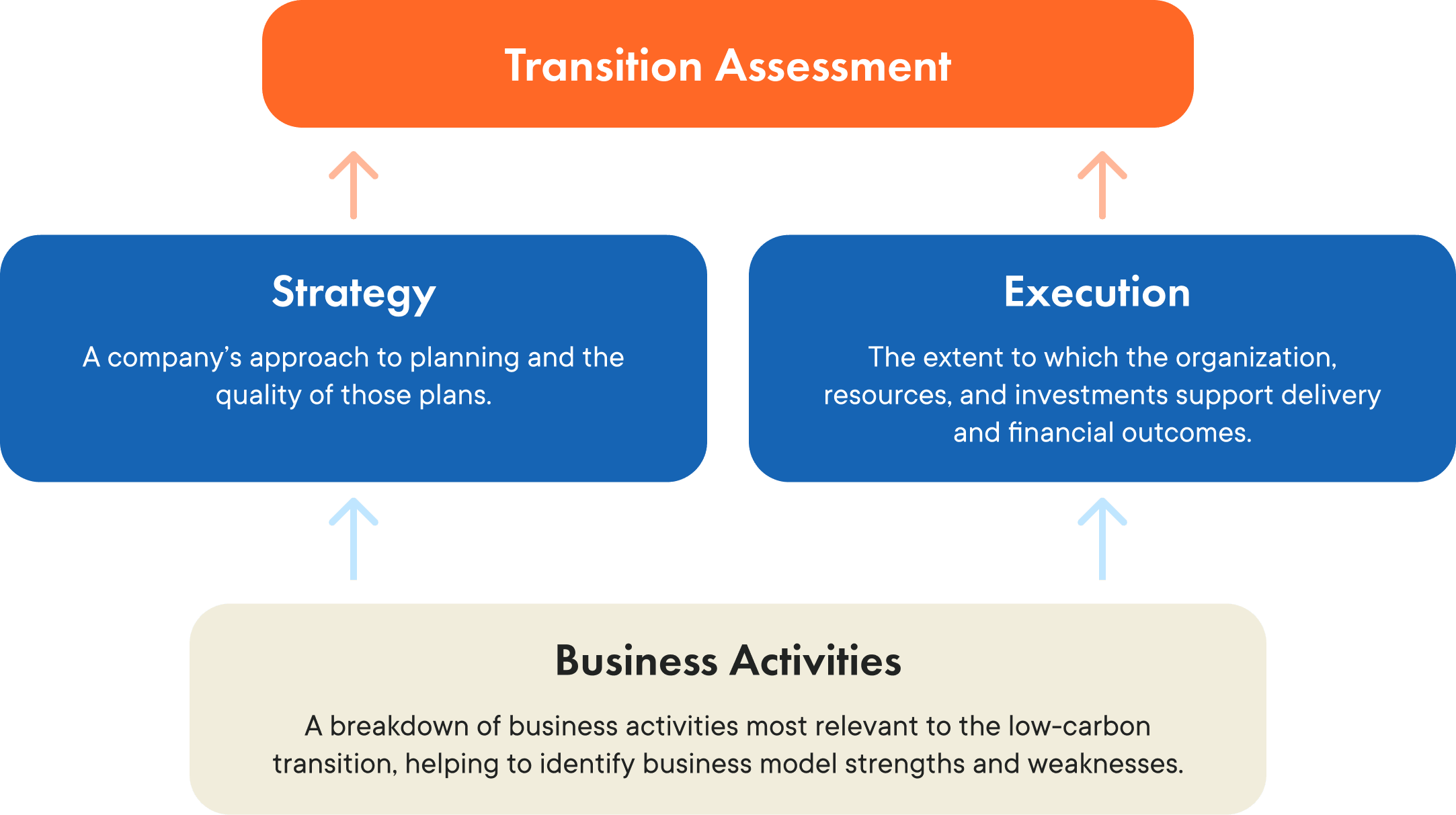
Grounded in business reality

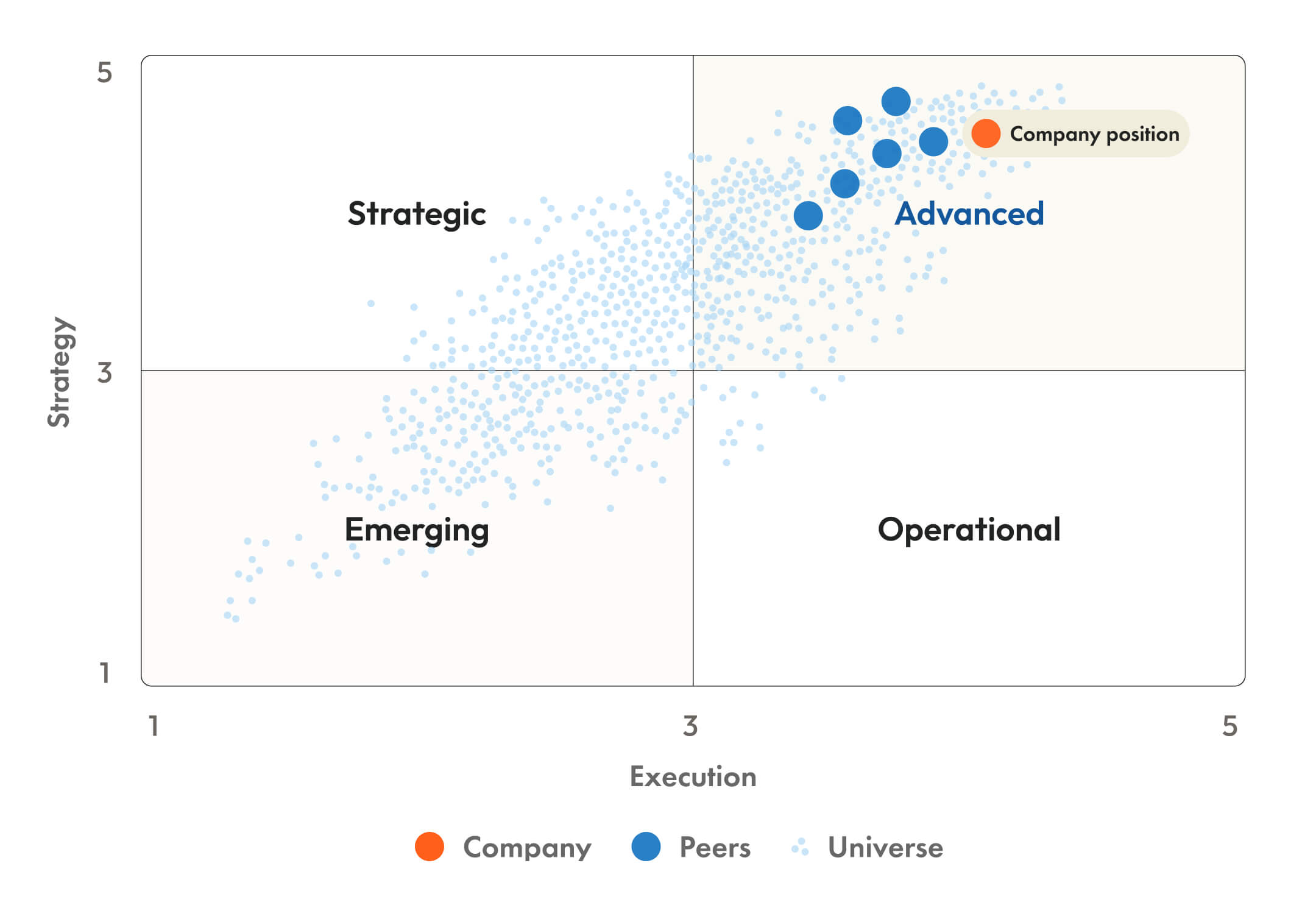
Strategy and execution

Transition value drivers

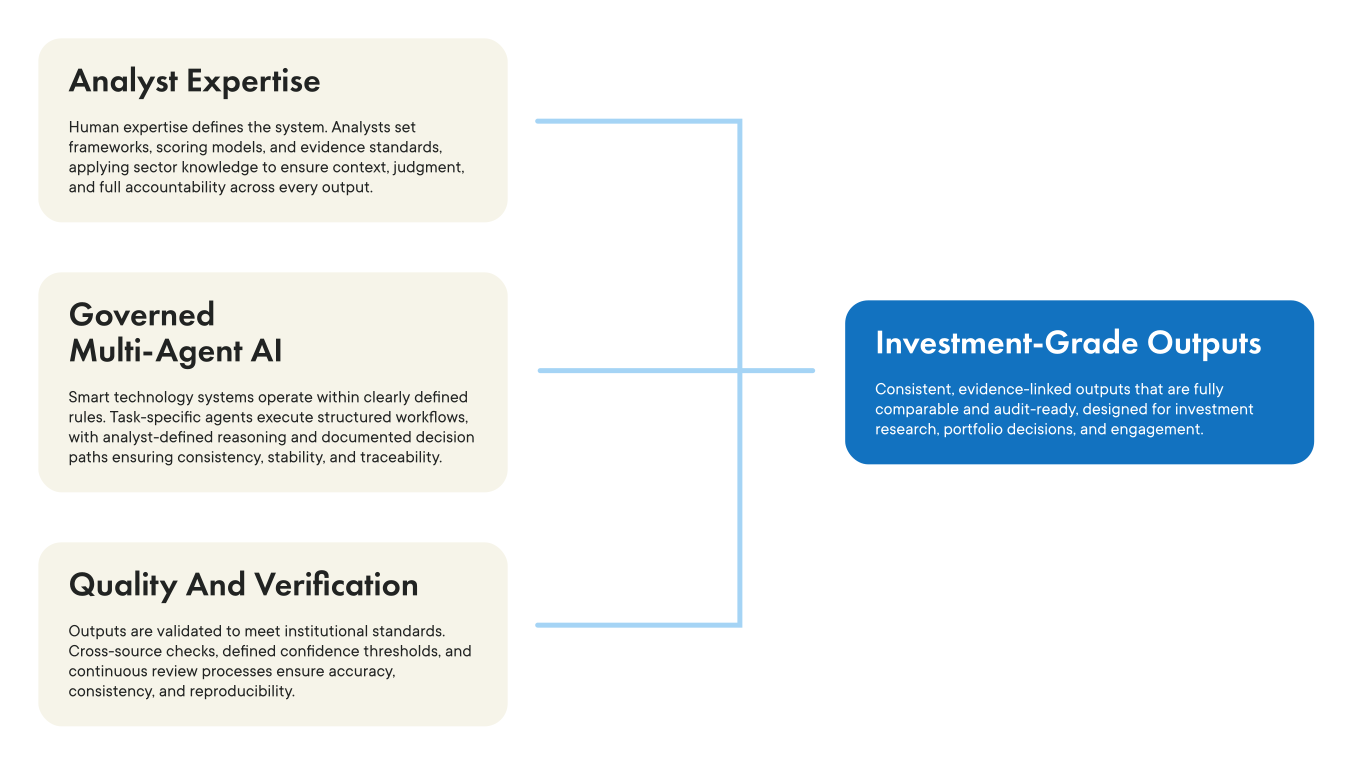
Human-Centric AI

Intuitive insights for investors
Climate Intelligence Product Update | September 2026
Deeper transition insight for investment and stewardship decisions
Significant engagement with investors has continued to shape Climate Intelligence. This update deepens the link between financial materiality and a company’s underlying business activities, adds greater transparency into how assessments change, and expands coverage across core markets. Explore how the research can support company analysis, portfolio monitoring and stewardship.

Go deeper into the activities that matter
Connect financial materiality directly to the business activities that shape a company's transition with activity-level materiality rationales, separate Strategy and Execution scores, and peer comparisons. This added depth helps investors understand where transition factors matter most - and whether strategic direction is translating into execution.

Track how the picture is changing
Previous assessments and scores, direction and reasons for change, and richer source information make it easier to understand how a company's transition profile is evolving and what is driving that movement - supporting both ongoing investment monitoring and better-informed stewardship dialogue.
Bring the research into your own workflows
Integrate the research into internal investment, risk and portfolio workflows to support more scalable screening, analysis and monitoring.

Coverage that continues to scale
The research has been refreshed and expanded across core markets. Current coverage of around 4,000 listed issuers will expand toward 8,000 companies by early 2027.
Part of a Broader Climate Suite
Complementary climate capabilities for investment and stewardship
Following the merger of Glass Lewis andClarity AI, Climate Intelligence now sits alongside a broader set of climate capabilities.Investors can draw on complementary solutions to understand exposures, assessalignment and transition credibility, explore financially materialimplications, and support reporting.

Climate data and exposures
Carbon footprint and physical climate risk insights for company and portfolio analysis.

Alignment and scenario analysis
Net-zero alignment, transition credibility assessments and climate scenario analysis to assess progress and potentialoutcomes.

Financially material transition research
Climate Intelligence provides qualitative insights into how a company’s business activities, strategy and execution may affect value over a 5–7 year horizon.

Reporting
Climate and sustainability reporting capabilities to support disclosure and oversight needs.
Designed for Investor Workflows

Investment
research

Stewardship and
engagement

Portfolio
construction
How Climate Intelligence Sharpens Your Decision-Making
For Stewardship Professionals

Strengthen Stewardship & Investment Decisions
Prioritize Engagements More Effectively
Engage with
Greater Precision
For Investment Professionals

Integrate Materiality into Valuations

Evaluate "Investable" Transition Plans
Support Capital Allocation Decisions


.png)
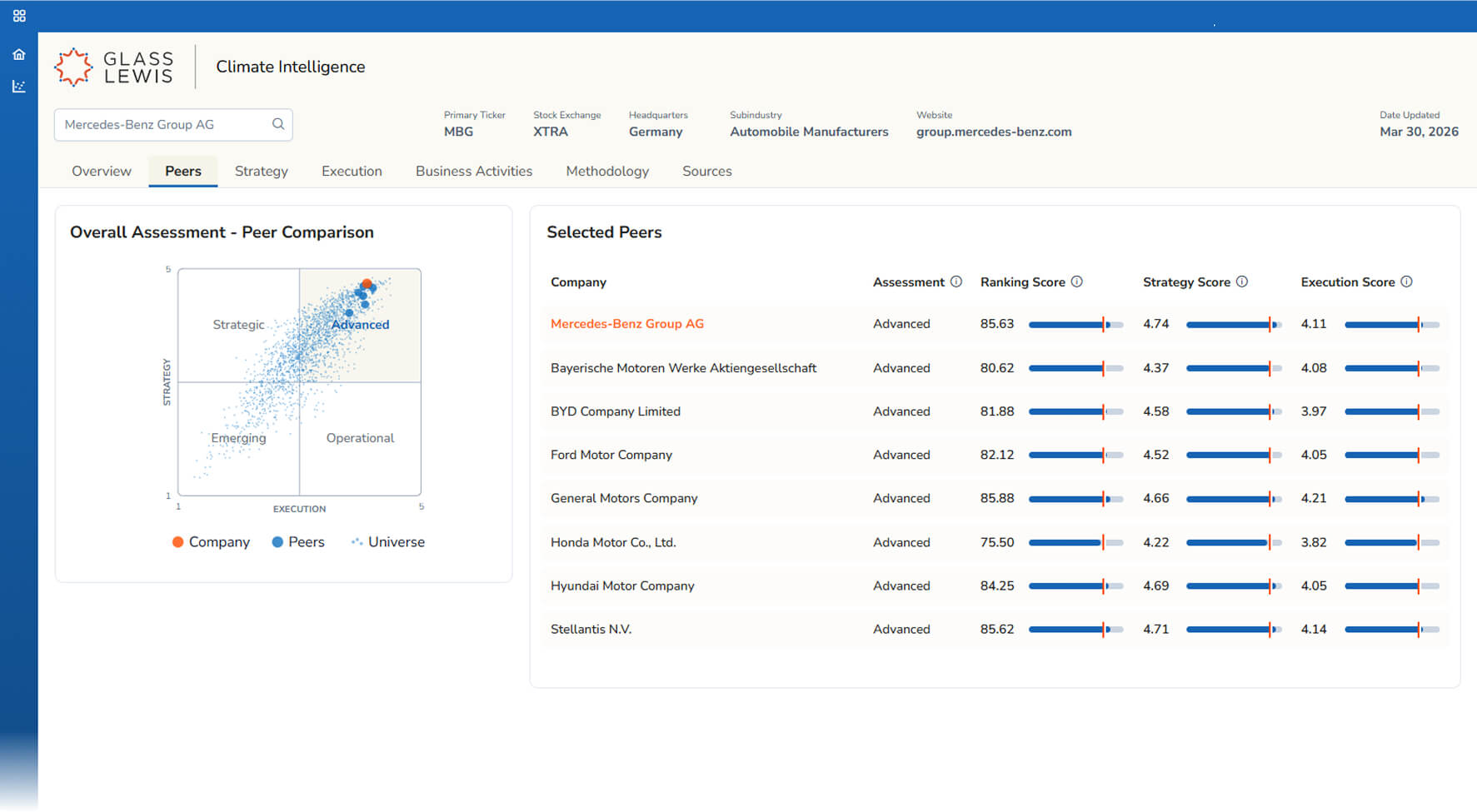
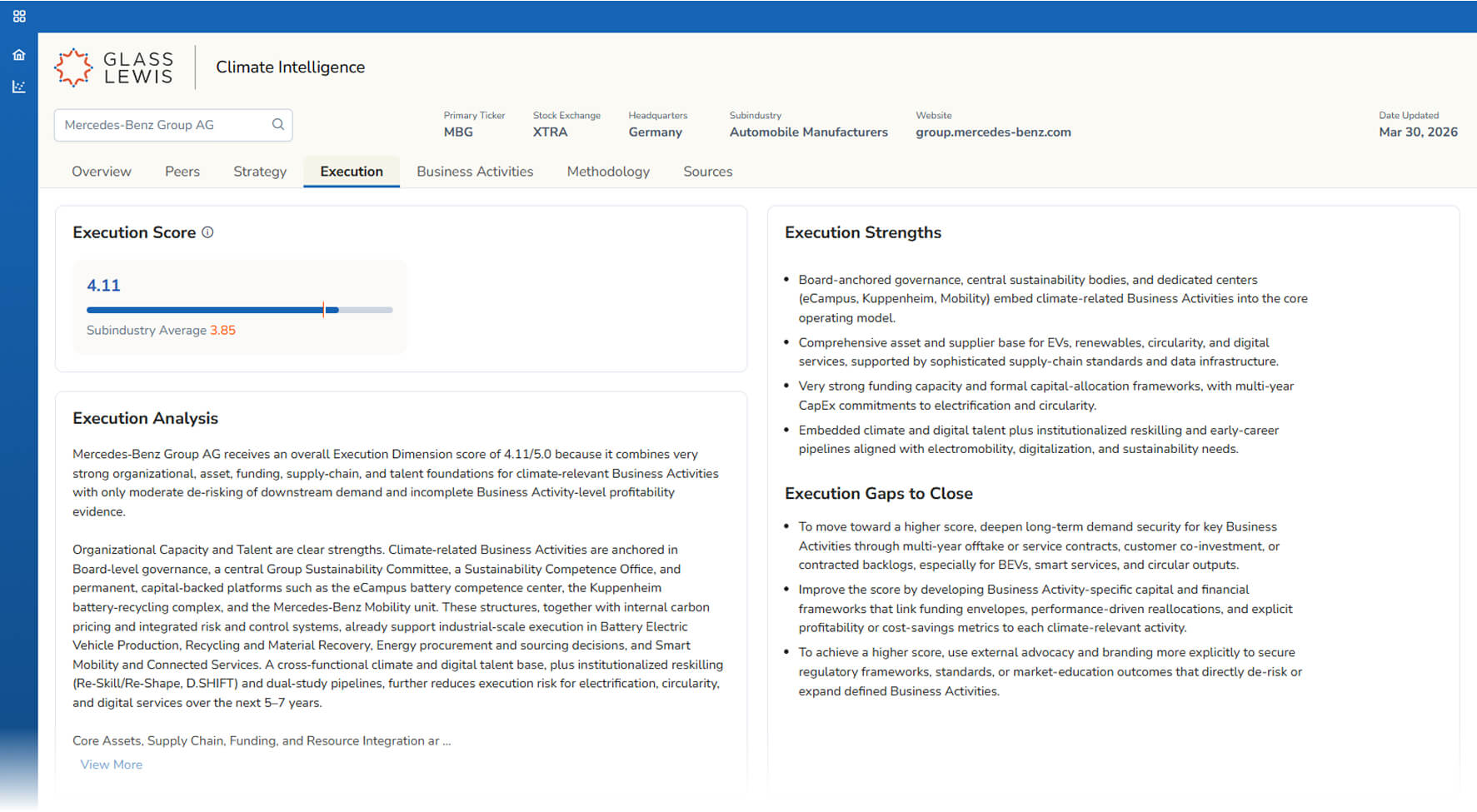
A Structured View of Transition Performance
Explore The Insights
Overview

Peers
Strategy

Execution
Business Activities

For further information, please refer to our disclaimer for full details.
The Engine Behind Climate Intelligence
Frequently Asked Questions
What is the goal of the Climate Intelligence transition assessment?
What makes Climate Intelligence different from traditional ESG or climate ratings and data?
What types of climate risks are evaluated?
Why does the assessment prioritize financial materiality?
Is alignment with net-zero targets required to score well?
What does "transparent outputs" mean for investors?
Still Have Questions?

.png)
The Architecture of Investor-Grade AI: Lessons From Climate Intelligence
The Architecture of Investor-Grade AI: Lessons From Climate Intelligence

On the Agenda: Five Questions Answered on Climate Intelligence Research
On the Agenda: Five Questions Answered on Climate Intelligence Research

Introducing Climate Intelligence: Asia-Pacific Webinar
Introducing Climate Intelligence: Asia-Pacific Webinar
Introducing Climate Intelligence: Europe Webinar
Introducing Climate Intelligence: Europe Webinar
Introducing Climate Intelligence: Next-Generation Climate Research for Institutional Investors
Introducing Climate Intelligence: Next-Generation Climate Research for Institutional Investors
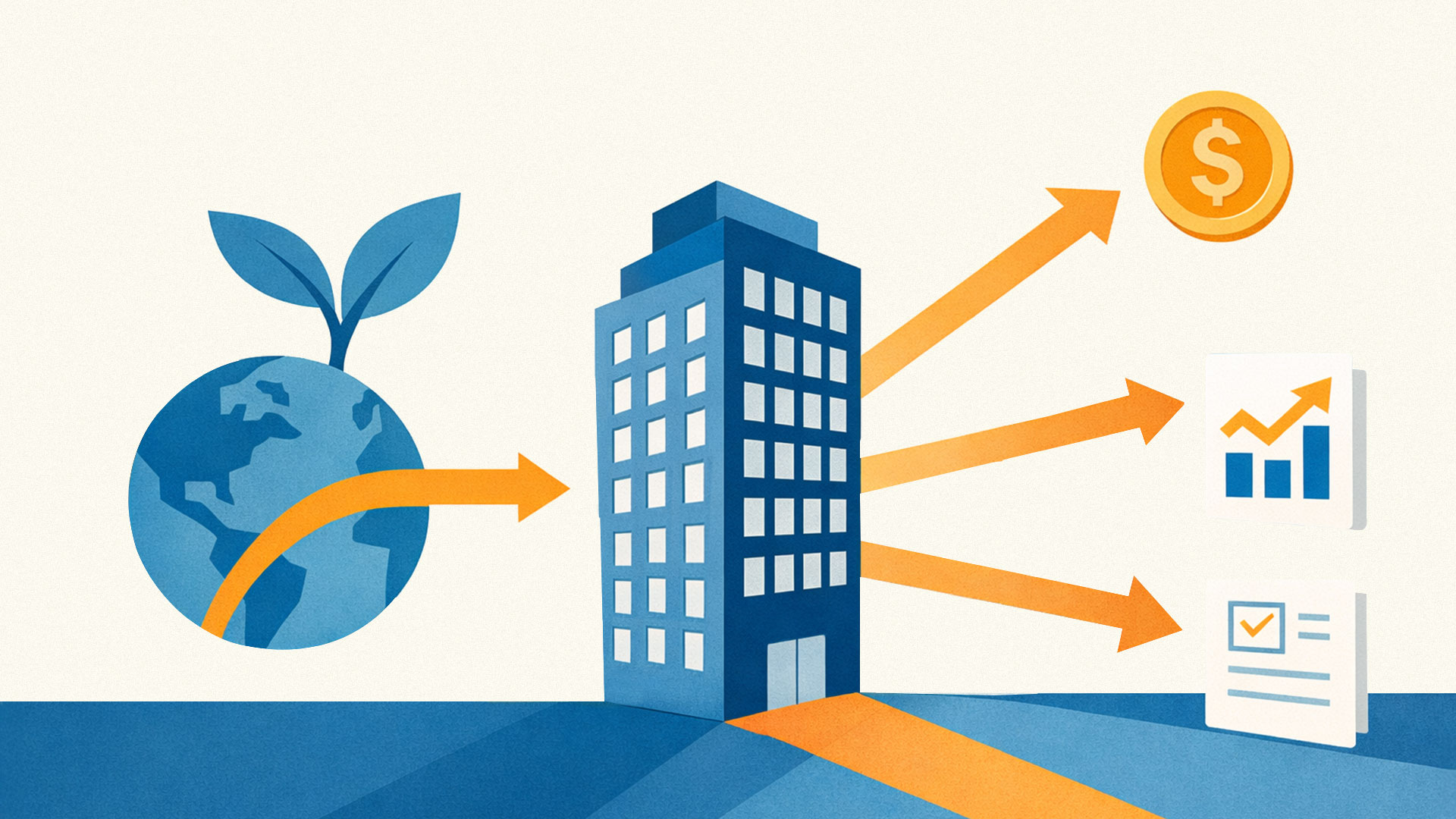
Climate Investing Redefined: Strategy and Execution as the New Lens to Understand Business Reality
Climate Investing Redefined: Strategy and Execution as the New Lens to Understand Business Reality


The Climate Intelligence Landscape: Current Limitations and the Road to Improved Financial Signals