

Comparing Two Approaches to AI in Proxy Voting
What the human-in-the-loop label hides:
The phrase human-in-the-loop ... encompasses a wide range of implementations, from systems where human expertise governs the production process to systems where human review is applied to AI outputs after the fact. Understanding the operational difference between these implementations is the most important analytical task for any asset manager evaluating AI proxy voting solutions.
— AI AND THE FIDUCIARY TEST, PAGE 13
The AI-First Pipeline:
Human Review at the Output Stage
AI handles production.
Humans check the output.
A horizontal flow with a single human checkpoint at the end.
How it works
Three sequential machine stages produce the recommendation. A human reviews what the system has generated.
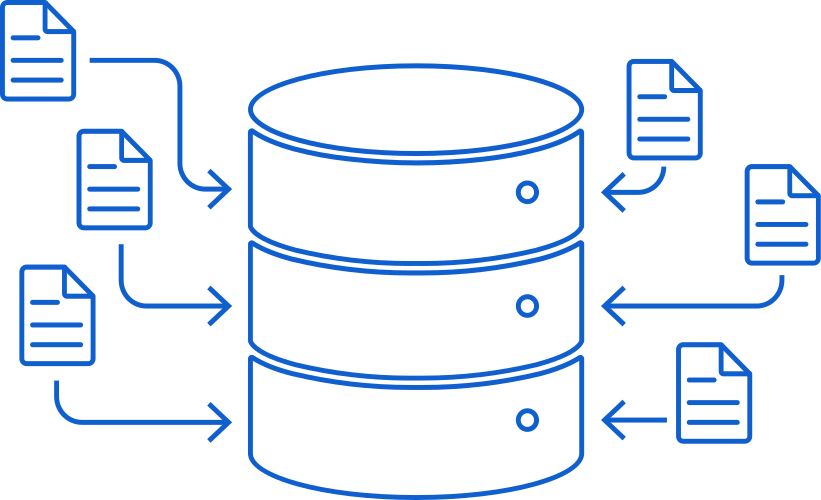
Data Extraction


Rule Application

Recommendation Output

Human Review
errors and policy alignment.
What it does well · What to watch for
Approach Breakdown


Approach Capabilities


Drawbacks of Approach


The Expertise-Governed Architecture:
Human Review at Three Levels
Expertise governs the system.
AI operates inside it.
A layered system with human judgment threaded through three levels.
How it works

Methodology Framework
 EXPERT LAYER
Document Acquisition
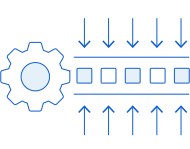
Data Normalization

Scenario Mapping

Recommendation

Fit-for-Purpose Authority

Stream Monitoring and Recalibration

Glass Lewis Governance Solutions
What it does well · What to watch for
Approach Breakdown

Benefits of Approach
What to Watch For
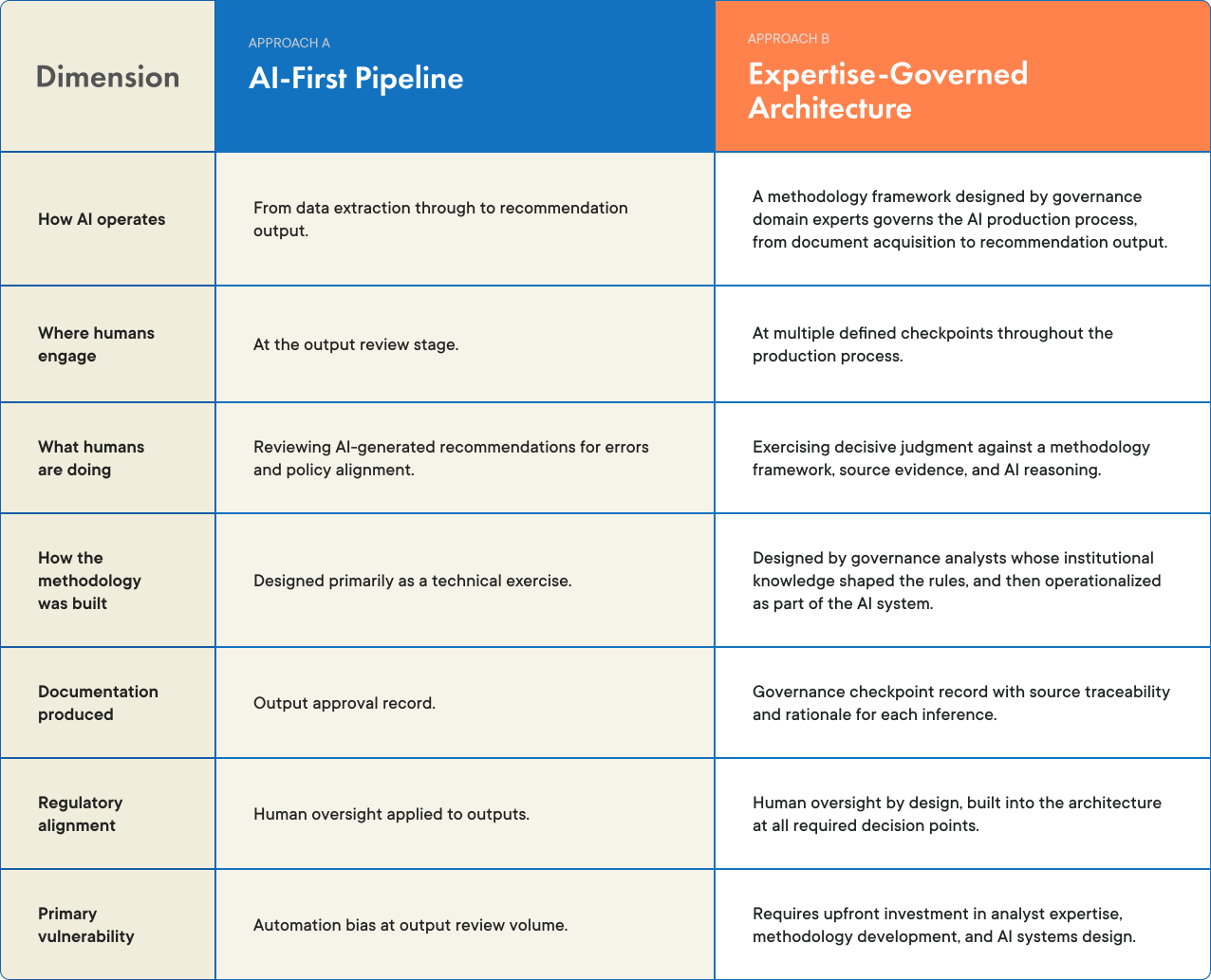
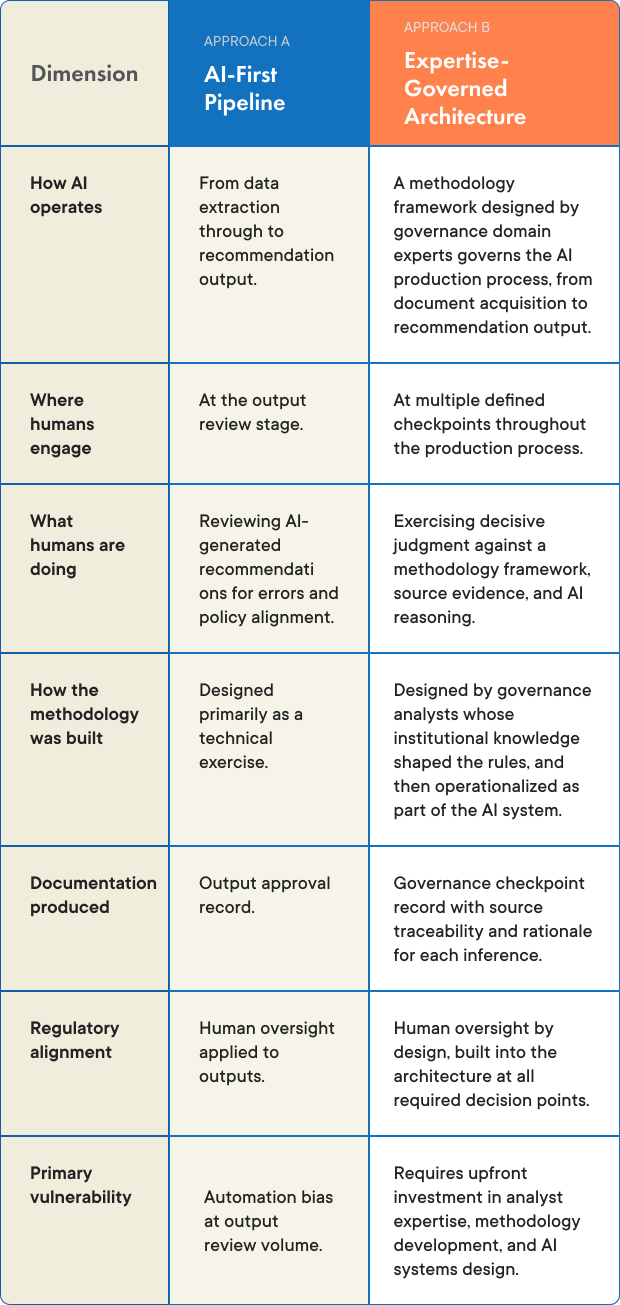
The same labels. Different architectures.
THE DECISIVE DISTINCTION
"In practice, AI systems often blend elements of both approaches, and the boundary is not always visible from the outside. The decisive question is not what category a provider claims. It is where judgment actually governs the process...
The choice between these approaches is ultimately a decision about where accountability for fiduciary outcomes lives. For asset managers whose voting decisions carry legal and reputational accountability, that decision matters."
— AI AND THE FIDUCIARY TEST, PAGE 17
Quality Control

Fiduciary Governance